- Details
- Headlines
Growing dissent in Chad as Deby embarks on fifth term
Chad has banned weakened opposition rallies ahead of the swearing in of President Idriss Deby for another term. Chad's neighbors approve of his commitment to fight terrorism, at home his record is viewed less favorably.
For Chad's long time ruler, it is essentially a formality. President Idriss Deby is due to be sworn in on August 8 for a fifth term. A former commander-in-chief of the army, the autocratic Deby has been in power for 26 years. Foreign powers respect him. Chad is seen as a relatively stable country in an unruly region. This is because Chad possesses well-trained security forces, which Deby keeps on a tight rein. Deby's troops are deployed in Nigeria, Niger and Cameroon, where they are battling the Boko Haram Islamist insurgency. Chad's contingent with the UN mission in Mali is larger than all the others, consisting of more than 1000 troops. European countries count on Deby to control the routes used by refugees leaving Africa.
Deby's troops may enjoy a good reputation abroad, but back home, Chadians are growing increasingly irritated by his leadership style. He ordered the construction of a new luxury hotel for his swearing in ceremony in a country where the prisons are overcrowded and civil servants wait months for their salaries. Hopes of reform have been dashed, Vincent Hendrick from the Catholic relief agency Misereor in Chad told DW.
Social media restrictions
There are frequent demonstrations calling for Deby's resignation. Six former candidates who failed to unseat him at the last presidential elections are even planning to proclaim a separate government. "Deby's election victory was neither legal nor legitimate," one of the candidates, Saleh Kebzabo, told DW.
According to official results, Kebzabo polled 12.8 percent of the vote to Deby's 61.5 percent, making him the president's closest rival.
No date has been set for the planned parallel administration. "We will announce the counter government when we think the time is right," Kebzabo said.
Deby was reelected president on April 10. But polling took place amid a climate of repression. Opponents of the regime were jailed for organizing peaceful protests. In the meantime, the situation has deteriorated even further. Since the elections, many Chadians can no longer access social media such as Twitter, Facebook or WhatsApp. "Journalists can't do stories and businesses can't communicate with their customers, many of whom are in different parts of the world," said Julie Owono, who heads the Africa department at the NGO "Internet without Borders."
The Chadian government blames technical problems for the lack of connectivity. However, communications expert Qemal Affagnon is suspicious of this explanation. The government ordered telecommunications operators to restrict access to social media back in January, he told DW. It is technically feasible and similar clampdowns have been imposed during elections in other African countries. But most them were only temporary.
No trust in the government
Ahead of Deby's swearing in ceremony, Chadians have been complaining about restrictions on civil liberties and poor living and working conditions. In the UN Human Development Index for 2015, Chad comes very close to the bottom, occupying the 185th place out of 188. Staff at the national broadcaster ONRTV went on strike recently. "We don't have any free weekends, or days off, anymore," one journalist said. Staff were promised better working conditions in 2011 but nothing has changed in the meantime.
Deby is seeking to shore up his defenses. He wanted to take the wind out of the sails of his political opponents by reforming the constitution, but this stratagem misfired. Opposition politicians suspect he wanted to use the reform to create the post of vice president so he could groom a successor, though the ruling party denies this.
Confidence in the government and the authorities generally is at a low ebb. Several dozen military personnel, who were regarded as being critical of the regime, have disappeared since the elections. The public prosecutor issued summonses to two of the unsuccessful presidential candidates, including Saleh Kebzabo, in connection with an investigation into the whereabouts of the military personnel. This made Kebzabo suspicious and he declined to attend the hearing. Through his lawyer, he inquired why he in particular had been summoned. Other people had also openly complained about the disappearances, including the French ambassador, he said.
DW
- Details
- Rita Akana
- Hits: 1672
Local News
- Details
- Society

Kribi II: Man Caught Allegedly Abusing Child
- News Team
- 14.Sep.2025
- Details
- Society

Back to School 2025/2026 – Spotlight on Bamenda & Nkambe
- News Team
- 08.Sep.2025
- Details
- Society

Cameroon 2025: From Kamto to Biya: Longue Longue’s political flip shocks supporters
- News Team
- 08.Sep.2025
- Details
- Society

Meiganga bus crash spotlights Cameroon’s road safety crisis
- News Team
- 05.Sep.2025
EditorialView all
- Details
- Editorial
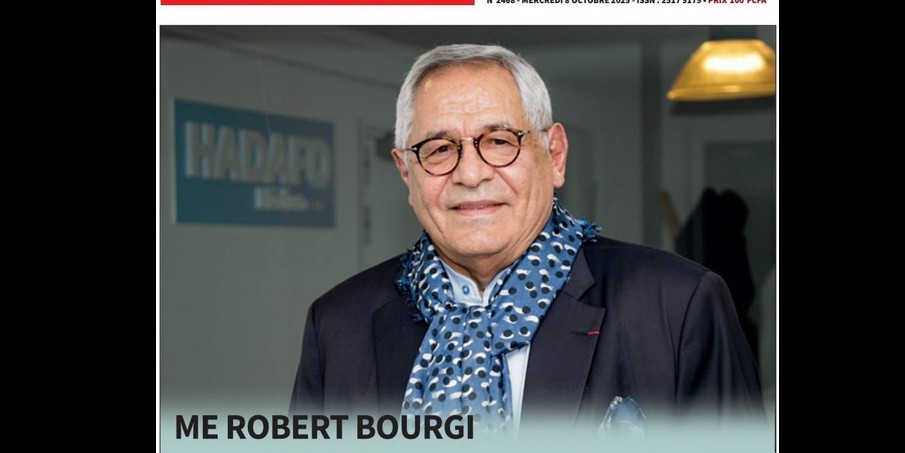
Robert Bourgi Turns on Paul Biya, Declares Him a Political Corpse
- News Team
- 10.Oct.2025
- Details
- Editorial
Heat in Maroua: What Biya’s Return Really Signals
- News Team
- 08.Oct.2025
- Details
- Editorial

Issa Tchiroma: Charles Mambo’s “Change Candidate” for Cameroon
- News Team
- 11.Sep.2025
- Details
- Editorial


