- Details
- Headlines
Latest Polls: Nearly 80 percent of English-speaking Cameroonians want independence
Nearly 80 percent of English-speaking Cameroonians want independence, according to a new study simulating the 1961 plebiscite that unified two former colonies, one British and one French, into a single country.
Among the 28,000 citizens who voted in the four-day online poll, 78 percent of English-speaking Cameroonians voted for the immediate independence of Southern Cameroons. The United Nations-organised plebiscite on 11 February 1961 erased the option of independence of Southern Cameroonians, leaving voters with no other choice than joining French Cameroon or Nigeria.
The study showed that 17 percent of English-speaking Cameroonians voted for the Republic of Cameroon to transition to a Federal system of government.
6 percent, however, view decentralization within the Republic of Cameroon as the best option. They do not favor either a Federal system of government nor an independent Southern Cameroons.
It is the first largest online poll conducted to simulate the 1961 plebiscite. Since 1961, there has been growing dissatisfaction among English-speaking citizens who view themselves as "lesser citizens" in the union with French Cameroon, observers describe.
English-speaking Cameroonians regularly protest against marginalization and describe their worries as the "Anglophone problems."
Only two French-speaking Presidents have ruled the nation since 1961.
The 2016 uprising in English-speaking regions inspired the study, says Tapang Ivo Tanku, the researcher, and initiator of the study. "It could direct the focus of English-speaking Cameroonians in their struggle for statehood or nation-building," the Fulbright scholar argued.
"You cannot roll out effective policies without testing public opinion. Neither can you go about striking without a focus. The study is very well generalizable."
However, the researcher notes that voters' preferences could shift if President Paul Biya hands over power to an English-speaking citizen. "But that remains to be tested empirically too," Tapang suggests.
He chose to run the independent study using the social media because all its users are eligible voters. In fact, Tapang claims, 4.1 million citizens use the social media including 2.1 on Facebook alone.
114 countries took part in the study. 14,000 citizens voted in Cameroon including 10,000 in the port city of Douala. There were more than 5,000 voters from the USA. The UAE and the UK had over a thousand voters.
- Details
- Tapang Ivo
- Hits: 2513
Local News
- Details
- Society

Kribi II: Man Caught Allegedly Abusing Child
- News Team
- 14.Sep.2025
- Details
- Society

Back to School 2025/2026 – Spotlight on Bamenda & Nkambe
- News Team
- 08.Sep.2025
- Details
- Society

Cameroon 2025: From Kamto to Biya: Longue Longue’s political flip shocks supporters
- News Team
- 08.Sep.2025
- Details
- Society

Meiganga bus crash spotlights Cameroon’s road safety crisis
- News Team
- 05.Sep.2025
EditorialView all
- Details
- Editorial
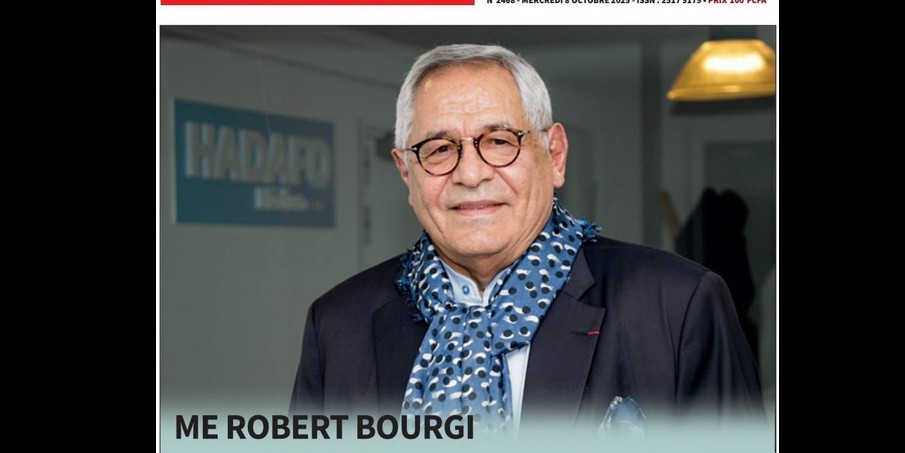
Robert Bourgi Turns on Paul Biya, Declares Him a Political Corpse
- News Team
- 10.Oct.2025
- Details
- Editorial

Heat in Maroua: What Biya’s Return Really Signals
- News Team
- 08.Oct.2025
- Details
- Editorial

Issa Tchiroma: Charles Mambo’s “Change Candidate” for Cameroon
- News Team
- 11.Sep.2025
- Details
- Editorial


