- Details
- Headlines
Rejected fuel deemed 'too dirty' for European use sold to Africa
European oil companies, especially Swiss commodity traders, are exploiting weak African fuel standards by selling toxic diesel and gasoline across the continent, a campaign group said Thursday.
A three-year investigation published by Switzerland-based environmental and economic group Public Eye did not accuse oil companies of breaking any laws.
But it charged several firms with using an "illegitimate strategy" to boost profits, hawking so-called "African quality" fuels that have had devastating health and environmental impacts across many sub-Saharan states.
In a 160-page report based on research in eight African countries, Public Eye found fuels sold at the pump which contained high levels of toxins, notably sulphur.
Such toxic blends would be illegal to sell in Europe, which caps sulphur rates in fuel at 10 parts per million, Public Eye said.
In Africa, sulphur limits are on average 200 times higher.
"By selling such fuels at the pump in Africa, the traders increase outdoor air pollution, causing respiratory disease and premature death," said the report from Public Eye, a group previously known as the Bern Declaration and founded in 1968.
Among the key culprits, Public Eye named Swiss traders Vitol and Trafigura as well as the multi-national energy group Oryx, which specialises in the African market.
In a statement sent to AFP, Vitol called the report "inaccurate and misinformed," stressing that African governments were responsible for setting their own fuel standards.
Oryx made the same case, noting in a statement that it sells fuel products "that strictly comply with the national legislation of each client country."
Call to act
Public Eye tested fuel sold in Angola, Benin, Congo-Brazzaville, Ghana, Ivory Coast, Mali, Senegal and Zambia.
While sub-Saharan Africa includes major oil producers like Angola and Nigeria, limited refining capacity on the continent means that most African oil is sold as crude on the international market.
States then import fuel products refined abroad, often from European traders.
These transactions often involve regional brokers in Africa, who are sometimes responsible for mixing the fuel.
Public eye called on African governments "to set stringent fuel quality standards" in line with European levels, arguing that was the most effective way to crack down on toxic blends.
Fears that banning low-quality blends will raise costs for consumers are misguided, the report said.
It noted that measures in East Africa to limit sulphur continent had "no impact on prices at the pump."
Importing better fuel would also lower healthcare expenses and reduce vehicle maintenance costs in the long run, Public Eye argued.
With many of the toxic blends produced in Europe and the United States, Public Eye urged Western governments to ban the export of fuel products that do not meet their own domestic standards.
(AFP)
- Details
- Rita Akana
- Hits: 1443
Local News
- Details
- Society

Kribi II: Man Caught Allegedly Abusing Child
- News Team
- 14.Sep.2025
- Details
- Society

Back to School 2025/2026 – Spotlight on Bamenda & Nkambe
- News Team
- 08.Sep.2025
- Details
- Society

Cameroon 2025: From Kamto to Biya: Longue Longue’s political flip shocks supporters
- News Team
- 08.Sep.2025
- Details
- Society

Meiganga bus crash spotlights Cameroon’s road safety crisis
- News Team
- 05.Sep.2025
EditorialView all
- Details
- Editorial
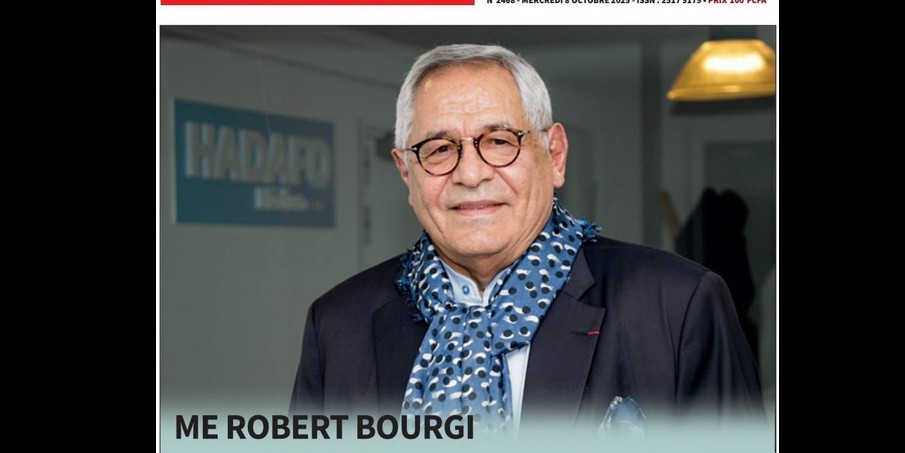
Robert Bourgi Turns on Paul Biya, Declares Him a Political Corpse
- News Team
- 10.Oct.2025
- Details
- Editorial

Heat in Maroua: What Biya’s Return Really Signals
- News Team
- 08.Oct.2025
- Details
- Editorial

Issa Tchiroma: Charles Mambo’s “Change Candidate” for Cameroon
- News Team
- 11.Sep.2025
- Details
- Editorial


