Anglophone War: A Death Count the State Won’t Admit
[YAOUNDÉ, Dec 17, 2025 – Cameroon Concord] —
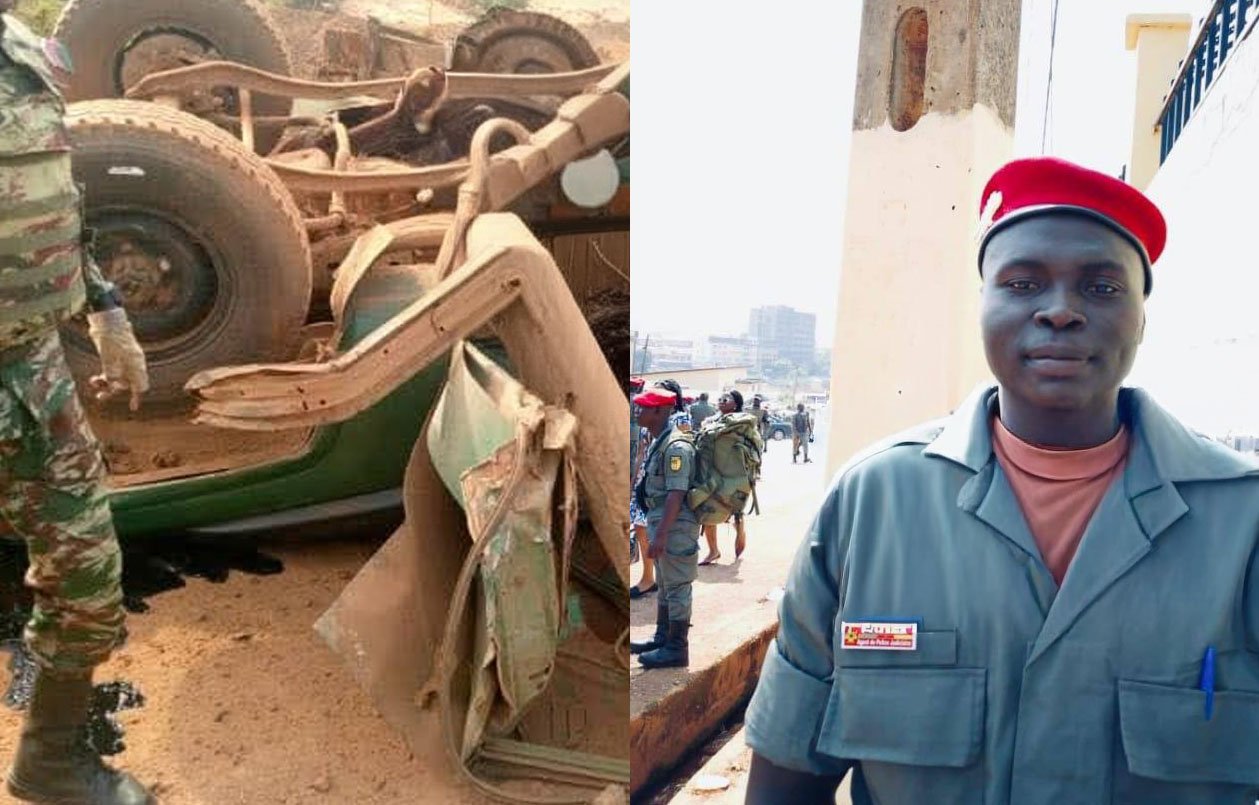
Between 3 November and 17 December 2025, at least 20 identified soldiers—most of them young—were killed in Cameroon’s Anglophone regions. Their deaths bring the officially traceable number of defence and security personnel killed since the start of the war to 1,802. Yet even this figure tells only part of the story.
Behind the numbers lies a long-standing pattern of minimisation, selective disclosure, and outright denial by the Cameroonian state regarding the human cost of its war against rebels fighting for the restoration of the statehood of former British Cameroon.
The War Yaoundé Refuses to Name
Since late 2016, Cameroon’s North-West and South-West regions have been the theatre of a protracted armed conflict. What began as protests by lawyers and teachers escalated into a full-scale war after violent state repression radicalised large segments of the population.
Despite the scale of violence—mass village burnings, extrajudicial killings, enforced disappearances, and widespread displacement—the government in Yaoundé has consistently rejected the label of “civil war,” preferring terms such as “security operations” or “isolated terrorist acts.”
This semantic evasion has extended to casualty figures.
AGOA Suspension and a Telling Admission
In 2019, the United States suspended Cameroon from the African Growth and Opportunity Act (AGOA), a trade programme designed to boost African economies. Washington cited serious human rights violations, including massacres in the Anglophone regions, the burning of hundreds of villages, and the arrest and detention of political opponents.
In response, the Cameroonian regime dispatched a high-level mission to Washington to lobby for reinstatement. The delegation met with Tibor Nagy, then U.S. Assistant Secretary of State for African Affairs. The mission was led by Michel Monthe Tommo, Cameroon’s ambassador to the United Nations.
During that meeting, Monthe made a statement that has since become a crucial reference point:
“About 700 soldiers have been killed in this war… We are doing everything to resolve the conflict, and allegations that the Cameroonian army targets civilians are false.”
The remark was striking—not only because it implicitly acknowledged a “war,” but because it contradicted years of official silence about military losses.
What the Numbers Now Reveal
Using Monthe’s 2019 admission as a baseline, subsequent documented incidents, funerals, local reporting, and field tracking suggest a much higher trajectory of military fatalities.
Between 2019 and late 2025, casualties among defence and security forces continued at a steady—and at times accelerating—pace. The confirmed figure of 1,802 killed personnel reflects only cases that could be identified through official statements, credible local reporting, or photographic and testimonial evidence.
Independent estimates place the real number of soldiers killed closer to 3,500.
The discrepancy is explained by underreporting, classification of deaths, and the frequent burial of soldiers without public acknowledgment—particularly those killed in ambushes or improvised explosive device attacks in rural areas.
Recent Incidents Underscore the Pattern
In December 2025, an attack near Bamenda targeted a military convoy at the entrance of the Gpign fortified military camp. While General Housseni Djibo survived, three of his bodyguards, including Gendarmerie Colonel Lansana, were killed in what was described as a powerful explosive attack by Ambazonian liberation forces.
Days earlier, Gendarme Sahinsou Ame, deployed at a checkpoint in Nkambé in the North-West region, was shot dead during a routine control. Such incidents rarely receive more than brief mention—if any—from state media.
These deaths are not anomalies. They are part of a grinding war of attrition that disproportionately claims the lives of young, low-ranking soldiers deployed to hostile terrain with limited protection and unclear political objectives.
The Politics of Denial
The Cameroonian government’s reluctance to publish comprehensive casualty figures is not accidental. Acknowledging the true scale of losses would undermine the official narrative that the conflict is under control and nearing resolution.
It would also raise uncomfortable questions:
Why has a war now approaching a decade produced no political settlement?
Why are soldiers still dying in large numbers despite repeated claims of “decisive victories”?
And why are civilians and soldiers alike paying the price for a conflict the state insists on framing as a mere security nuisance?
A War Measured in Silence
For families of fallen soldiers, the silence is often total. Many learn of deaths through informal channels. Others receive bodies without explanation, medals without meaning, and promises without accountability.
Meanwhile, civilians in the Anglophone regions continue to live between military reprisals and rebel enforcement, trapped in a war sustained by denial at the top.
The numbers—whether 1,802 or 3,500—are not abstract. They represent lives lost in a conflict that Cameroon’s rulers refuse to confront honestly.
Until that reckoning occurs, the death toll will continue to rise—quietly, steadily, and largely unacknowledged.
- Details
- News Team
- Hits: 2963
