Paulo Duarte: Eto’o Is the Leader African Football Lacks
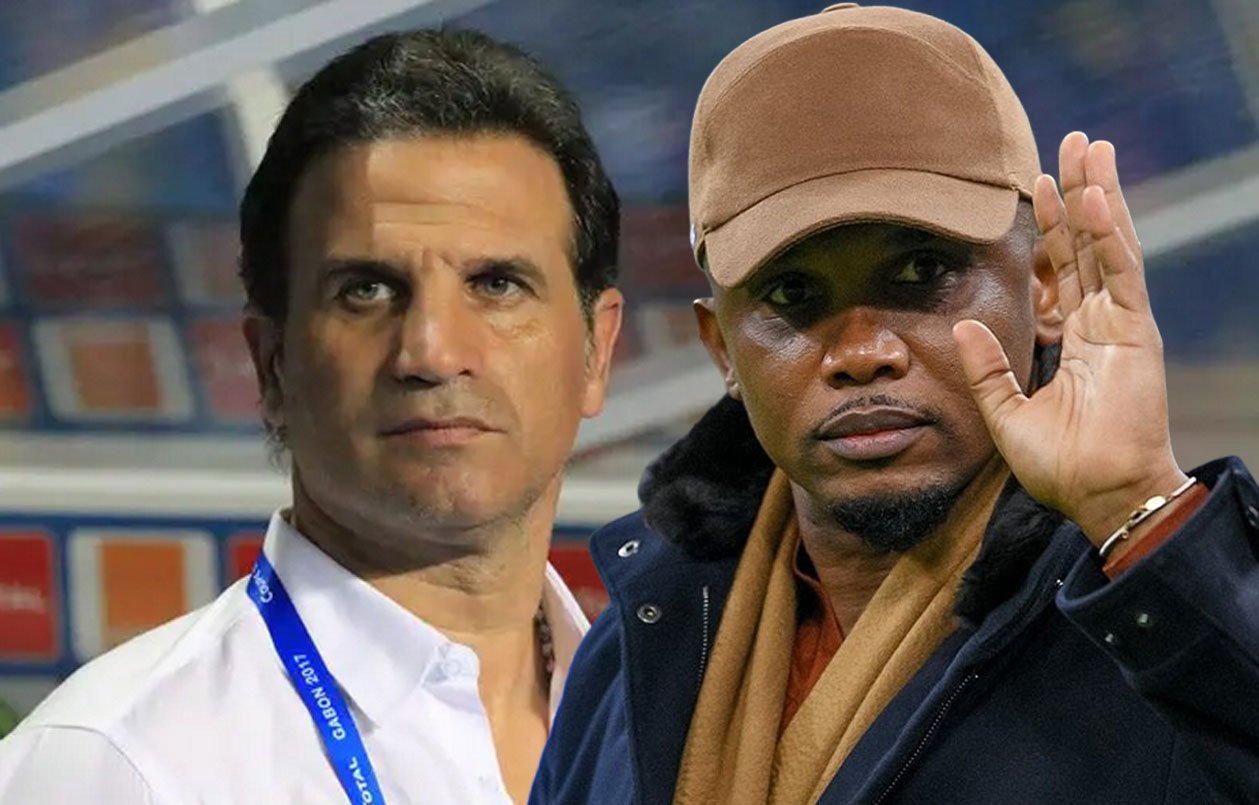
Samuel Eto’o’s re-election as FECAFOOT president has reignited debate across African football, with an unexpected endorsement now coming from Guinea coach Paulo Duarte.
For the Portuguese tactician, Eto’o represents something Africa rarely produces at the level of football governance: a leader forged by the game itself.
“Eto’o knows exactly what football demands,” Duarte says. “He has lived it all — the dressing room, pressure, victory, defeat. And that experience shows in how he leads.”
In Duarte’s assessment, Eto’o’s leadership style breaks with a long-standing African pattern marked by hesitation, political compromise, and avoidance of responsibility. Instead, he sees a president who decides, confronts, and imposes standards — even when doing so generates resistance.
“He doesn’t shy away from conflict. He doesn’t postpone difficult decisions,” Duarte insists. “He stands for discipline, professionalism, and seriousness — qualities that are still missing in too many areas of African football.”
Beyond Cameroon: A Continental Model
Crucially, Duarte frames Eto’o’s re-election not as a Cameroonian issue, but as a continental signal.
According to him, the former African Ballon d’Or winner embodies a governance model that could fundamentally alter Africa’s place in world football — if replicated.
“African football would be on a completely different level if there were 20 or 30 presidents like him,” Duarte argues. “With his vision, his courage, and his candor, African football wouldn’t need anyone’s permission. It would compete directly with the world’s best.”
This statement cuts to the heart of a long-running debate: Africa’s chronic dependence on external validation — from FIFA, Europe, and global institutions — often rooted not in talent, but in weak internal governance.
For Duarte, Eto’o disrupts that cycle.
A Polarising Figure, A Clear Line
Eto’o’s presidency has never been consensual. His tenure has been marked by confrontation, legal battles, and institutional tension — including strained relations with state authorities and football stakeholders. Yet Duarte’s comments underline a growing counter-argument: that discomfort may be the price of structural change.
In a football ecosystem accustomed to ambiguity and negotiated authority, Eto’o’s style — direct, uncompromising, and unapologetic — stands out sharply.
Whether admired or contested, one thing is clear: Samuel Eto’o’s second term at FECAFOOT is no longer just a national continuity. It has become a reference point in the wider conversation about power, leadership, and emancipation in African football.
And as Paulo Duarte suggests, the real question may no longer be whether Eto’o divides opinion — but whether African football can afford leaders who do not.
- Details
- News Team
- Hits: 3101
