Before the Vote, Tchiroma Calls for Unity and Courage
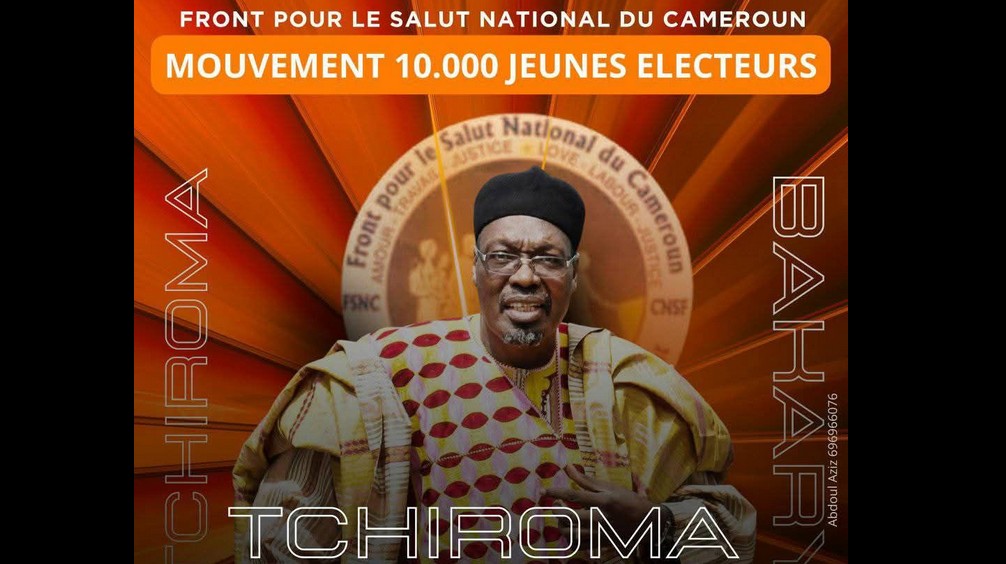
YAOUNDÉ, Oct 10 —
In a passionate nationwide message ahead of Cameroon’s 12 October presidential election, Issa Tchiroma Bakary addressed the nation with what he called “a final word before victory.” The speech blended gratitude, apology, and instruction, marking the most emotionally direct moment of his campaign.
A CANDIDATE TURNED CONCILIATOR
The Front for the National Salvation of Cameroon (FSNC) leader, once known for his confrontational style as Biya’s government spokesman, now presents himself as a reconciler. He thanked supporters “from the North to the South, from the East to the West” and urged voters to “be actors of their own change.”
“To my brothers and sisters of Bamenda, Buea and Limbe, I thank you for forgiving me and accepting me as one of your own,” he said — a line that resonated deeply in regions where his earlier defense of the regime had caused resentment.
His apology and tone of humility come days after his endorsement by Barrister Nkongho Felix Agbor ‘Agbor Balla’, the rights advocate once jailed under the same regime. The two figures now anchor a message of contrition and reform that has become the moral spine of the campaign’s closing hours.
PROMISES TO TEACHERS AND SOLDIERS
Marking World Teachers’ Day (5 October), Tchiroma highlighted the neglect of educators who “spend more time with our children than we ourselves.” He promised a living wage, professional recognition, and improved conditions once in office.
His address also singled out Cameroon’s security forces, acknowledging the dangers they face amid multiple insurgencies — from the Far North’s ISWAP cells to the conflict in the Anglophone regions.
“You deserve regular promotions, real security for your families, and the gratitude of the nation,” he said. “Do not let yourselves be used politically. Your duty is to protect the people.”
The twin outreach to teachers and soldiers — two groups both burdened and instrumental in state stability — was deliberate. Analysts note that they are the institutional pillars any transitional presidency would rely on to govern.
A CALL FOR PRESS FREEDOM
Tchiroma’s final speech also extended an olive branch to the press, vowing subsidies and protection for private media outlets “to better inform, educate, and showcase the image of our country.”
This is significant. As Minister of Communication, Tchiroma once defended restrictions on critical outlets and foreign correspondents. His public pivot toward transparency is seen as a gesture to the civil-society bloc now testing his sincerity.
MOBILISATION AND WARNINGS
With only three days left before the vote, Tchiroma’s message mixed poetry and pragmatism. He urged voters to retrieve their cards, resist manipulation, and “refuse to sell [their] future for a few coins or bread-sardine.”
He also addressed the opposition with rare warmth:
“If any of my brothers has felt hurt by my words, I ask forgiveness. Let us make peace. This is a unique opportunity to take our freedom.”
The appeal is unmistakable — a coalition signal aimed at drawing last-minute alliances and perhaps a tacit overture to figures like Cabral Libii or Bello Bouba Maigari.
THE POLITICS OF FORGIVENESS
Tchiroma’s emphasis on forgiveness ties directly to his earlier apology to Anglophones, which shifted his public image. His language mirrors that of national healing movements elsewhere: acknowledgment, restitution, then reform.
This new positioning — from ex-minister to repentant reformer — has opened a narrow but tangible path toward reconciliation in regions still scarred by the conflict. Whether voters believe him is the real referendum.
ANGLOPHONE IMPACT AND THE ROAD AHEAD
The apology to the rebels fighting for the restoration of the statehood of former British Cameroon and to civilian victims was unprecedented for a Francophone mainstream politician. For many, it signaled the first flicker of official empathy after nine years of violence.
Human-rights defenders view this as an opening: if a new president acknowledges wrongdoing, he must follow with concrete acts — civilian trials for civilians, detainee releases, and structured decentralization.
Tchiroma reiterated that “Cameroon must be rebuilt, and we will do it together.”
If he delivers, the implications could be transformative. Teachers in Buea, students in Bamenda, and families of detainees in Kondengui would finally hear policy where they once heard silence.
A MESSAGE TO THE MILITARY
By addressing the army separately, Tchiroma signaled awareness of its political weight. In a system where the presidency and the barracks have long been fused, his call for professionalism — “protect the people, not the regime” — could be either revolutionary or dangerous.
Observers note that senior officers in Yaoundé are watching closely. Promising promotions and family welfare without politicising the force might win trust where opposition candidates often trigger suspicion.
THE RECONCILIATION PLEDGE
The closing lines of his message were almost spiritual:
“We will repair and rebuild Cameroon — and we will do it together. Long live the sovereign people, long live a free and reconciled Cameroon.”
That tone aligns with his broader campaign narrative of a transitional presidency, one meant to reset institutions, restore dialogue, and prepare generational succession.
For Anglophones, it evokes hope of clemency for detainees like Sisiku Ayuk Tabe, Tassang Wilfred, and Mancho Bibixy. For the Francophone grassroots, it offers relief from the fatigue of unending conflict and censorship.
POLITICAL SIGNIFICANCE
The speech closes a month of unusually emotional campaigning. Tchiroma’s rallies from Mokolo to Douala drew unprecedented crowds, particularly in the Far North.
The FSNC’s momentum — coupled with endorsements from civic figures such as Agbor Balla and Alice Nkom — has turned what was expected to be a symbolic candidacy into a credible challenge to Biya’s four-decade establishment.
Analysts describe the campaign as “a moral insurgency packaged in democratic etiquette.” If the apology, promises, and coalition calls translate into ballots, Cameroon could be entering its first competitive transition in living memory.
ANALYSIS — FROM CAMPAIGN TO CONTRACT
Tchiroma’s closing appeal is less manifesto than moral contract. By intertwining apology, reform, and national gratitude, he has set benchmarks he cannot later ignore.
Should he win, the first 100 days will define his authenticity. His pledge to teachers and soldiers touches livelihoods; his appeal to Anglophones touches wounds. Delivering on both will determine whether he becomes the healer he claims to be or just another chapter in managed hope.
For now, his message — “Don’t sell your vote; protect it.” — echoes through the final stretch of a campaign that has unexpectedly humanised the race for State House.
- Details
- News Team
- Hits: 1764
