Cameroon Sentences Journalist Kingsley Njoka to 10 Years in Military Trial
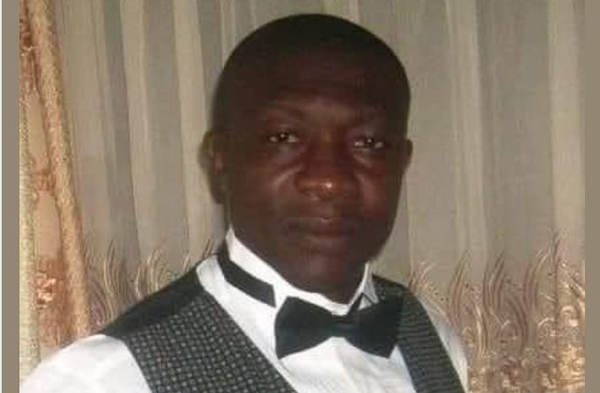
Yaoundé – In a decision that has ignited outrage among press freedom advocates and the international community, journalist Kingsley Fumunyuy Njoka was sentenced to 10 years in prison by a military tribunal in Cameroon.
Njoka, a prominent figure in the Anglophone community and known for his outspoken stance on the ongoing Anglophone crisis, had been in detention since his arrest on May 15, 2020.
Njoka's arrest has long been regarded as controversial. He was reportedly abducted from his home in Douala and taken to the Central Judicial Investigation Service (SCRJ) at the Secretariat of State for Defense (SED) in Yaoundé. His detention has been widely seen as a response to his investigative reporting on the Anglophone crisis, which has embroiled Cameroon in years of conflict, with numerous accusations of human rights violations committed by both government forces and separatist groups.
During his time at Kondengui Central Prison, Njoka made headlines by filing a formal complaint against Captain Cyrille Serge Atonfack Guemo, the Ministry of Defense's head of communications. Njoka accused Atonfack of defaming him during an appearance on the popular *Equinoxe Television* show, *La Vérité en Face*. The incident caused an uproar, with many seeing the case as emblematic of the pressures faced by journalists in Cameroon, particularly those who dare to challenge the government narrative.
Njoka's sentencing is part of a broader crackdown on journalists, activists, and civil society figures who have reported on the Anglophone conflict, a highly sensitive topic in Cameroon. The crisis, which began in 2016, has seen significant unrest in the country’s English-speaking regions, as demands for independence and greater autonomy have escalated into armed conflict. Reports of abuses from both sides have drawn international condemnation, and the detention of journalists like Njoka has underscored the risks of covering these issues.
Press freedom organizations have swiftly condemned Njoka’s sentencing. Human Rights Watch and Reporters Without Borders have previously raised concerns about the shrinking space for free expression in Cameroon, where government critics and independent media have faced growing repression.
Njoka’s case is not isolated, but part of a pattern that includes other high-profile arrests of journalists, such as that of *Equinoxe* TV's Wazizi, who died in military custody in 2019. These incidents have contributed to Cameroon’s declining ranking on press freedom indices and have sparked fears of an increasingly hostile environment for reporters, particularly those covering human rights issues and the Anglophone crisis.
As Njoka faces a decade behind bars, his sentencing sends a chilling message to journalists in Cameroon. It highlights the dire consequences that can befall those who dare to speak out about the country's most contentious issues, raising urgent questions about the state of press freedom and the rule of law in one of Central Africa’s most embattled nations.
- Details
- News Team
- Hits: 1546
