Failed Return of Paul Biya: Prime Minister Joseph Dion Ngute Reprimands Senior Officials
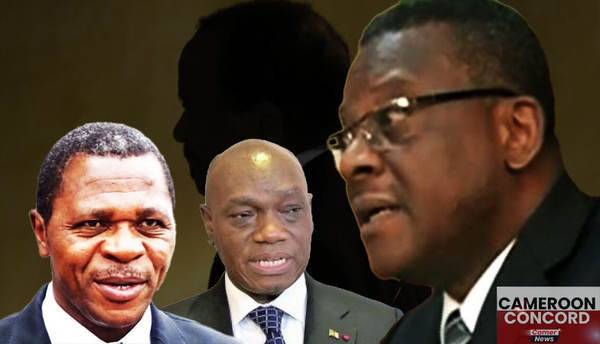
Amid speculation surrounding President Paul Biya's health, Cameroon’s political tensions have reached a boiling point. Prime Minister Joseph Dion Ngute has taken action to rein in two ministers whose unauthorized interventions have displeased the presidency.
With Biya’s return still uncertain, efforts to manage the public discourse on his health are proving chaotic.
A Delayed Homecoming
President Paul Biya, who has been residing in Geneva, Switzerland since September 2, was initially expected to return to Yaoundé on October 17. Close collaborators say Biya remains committed to honoring an unwritten rule rooted in the Ahidjo era, which suggests a head of state should not remain absent for more than 45 days—a practice not enshrined in the constitution. However, it remains unclear whether he will meet the anticipated return date.
A Premature Crisis Management Response
As preparations were underway to welcome the president back, Prime Minister Joseph Dion Ngute summoned Paul Atanga Nji, Minister of Territorial Administration, and Henri Eyebe Ayissi, Minister of Land Affairs, to rebuke them for actions deemed inappropriate under the current sensitive circumstances.
- Paul Atanga Nji unilaterally banned public discussions in the media regarding the president’s health, sparking discontent within government circles.
- Henri Eyebe Ayissi, on his part, announced plans for a public prayer session for the president, which was eventually canceled under pressure.
These moves—taken without prior consultation—did not sit well with the presidency, which viewed them as ill-timed and overly proactive.
Disjointed Government Communication
The prime minister further emphasized the importance of structured government communication, reminding ministers that matters related to the president's health fall under the jurisdiction of the presidential civil cabinet. Although the cabinet issued a statement on October 8 from Geneva, it failed to provide clear messaging guidelines to align public statements from key officials.
In Cameroon, the presidential office lacks a dedicated communications director and does not have an official spokesperson. Instead, public communications are handled by a public relations team within the civil cabinet. This ambiguity has created confusion, particularly given that the Minister of Communication, René-Emmanuel Sadi, is the official spokesperson for the government. Sadi has the authority to remind media outlets of the legal boundaries regarding discussions about the president’s health.
However, Paul Atanga Nji overstepped this role, issuing a directive to silence media coverage. Simultaneously, Jacques Fame Ndongo, the Minister of Higher Education and Secretary for Communication of the ruling RDPC party, released a statement refuting rumors about Biya’s health.
Adding to the discord, Grégoire Owona, Minister of Labor and Deputy Secretary-General of the RDPC’s Central Committee, took to social media to comment on the president’s situation. Meanwhile, Henri Eyebe Ayissi, acting as Vice-President of the Collective of Former Catholic Seminarians of Cameroon, further fueled public confusion by calling for a prayer session.
A Fragile Information Strategy
These uncoordinated statements have amplified public perception that the government is struggling to manage communication effectively. Even with the civil cabinet’s involvement, no unified narrative has emerged, leaving key government figures to address the issue without coordination. The lack of consistent communication has heightened public anxiety and intensified speculation about the president’s health.
While President Biya’s return remains in question, one thing is clear: managing public discourse on his absence requires more cohesion and strategic messaging from the government. The current mishandling has exposed the institutional weaknesses within the communication structures of both the presidency and the ruling party, creating further uncertainty at a critical time for Cameroon.
Published by Jeune Afrique, October 17, 2024
- Details
- News Team
- Hits: 2520
