Philemon Yang Endorsed by the AU for the Presidency of the 79th UN General Assembly
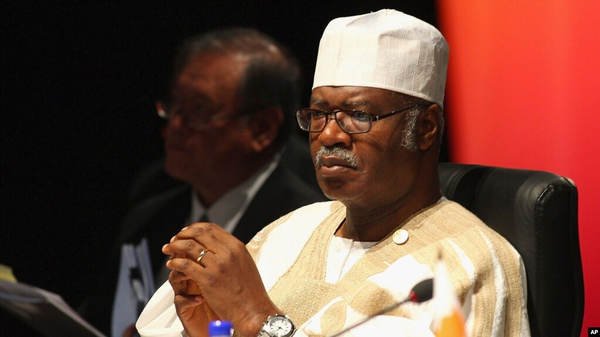
Cameroon Concord has learned from diplomatic sources that former Prime Minister (2009-2019), Philemon Yang (pictured), has been endorsed on February 14th by the African Union (AU) to assume the role of President of the 79th United Nations General Assembly (UNGA) session in September next year, 2025.
"Everything was decided within the AU Ministerial Committee on African candidatures for positions of responsibility in the international system," said a Cameroonian diplomat present in Addis Ababa, the AU headquarters.
"It is understood that following this endorsement, the rest will be mere formalities, including the adoption of the decision by the AU Executive Council and the AU Conference of Heads of State and Government. Then, the election itself in New York, between March and June 2024, should also be a formality, as the position rotates to Africa this year to succeed the current Trinidadian holder," our source revealed. For her, it represents not only a significant victory for Cameroon but also for the Economic Community of Central African States (ECCAS), which decided to unite behind Cameroon's candidacy. The eleven ECCAS member states had indeed agreed to support Philemon Yang during the 23rd ordinary session of the organization's Conference of Heads of State and Government last July in Gabon.
If Philemon Yang is elected, he will become the second President of the General Assembly from Central Africa to hold this position since the establishment of the UN, following Gabonese Jean Ping in 2005. So far, this position has favored English-speaking countries on the continent, which have held it nine times.
The General Assembly is the UN's principal policy-making body. Its president, chosen every year three months before the opening of the plenary session, holds an administrative role. This involves organizing debates and the work of the global body. In this role, Philemon Yang will preside over the opening and closing of each plenary session, lead discussions, ensure compliance with the rules, and grant the floor. The president may also make recommendations to the Assembly on the agenda. Additionally, he holds the power to limit speaking time and the number of interventions by representatives, as well as adjourn the session, according to the UN's rules of procedure.
- Details
- News Team
- Hits: 2000
