Tensions Boil Over in Douala as Akwa Faces Risk of Violent Clashes
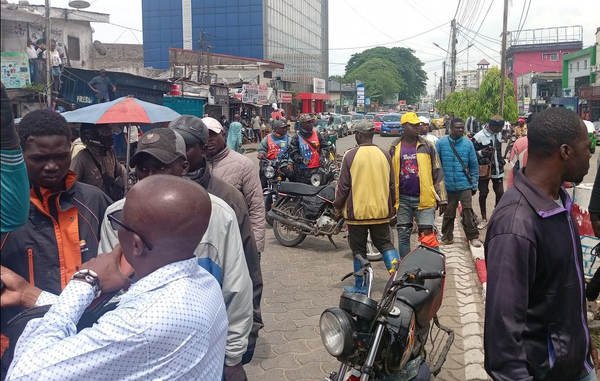
A tense standoff unfolded late Thursday morning in Douala's Akwa district as hundreds of motorcycle taxi riders (locally known as benskinneurs) blocked traffic along the axis between Salle des Fêtes d’Akwa and Ancien Mobile Bonakouamouang. The protest erupted around 11:00 AM in defiance of a controversial measure imposed by the Douala Urban Community requiring all motorcycle taxi riders to wear official vests (chasubles) to operate.
Tensions escalated rapidly after security forces launched a crackdown, confiscating motorcycles from drivers found without the mandated vests. The operation, backed by gendarmes, provoked outrage among the riders and bystanders, turning a routine enforcement measure into a flashpoint for civil unrest.
Gendarmerie units on the ground, overwhelmed by the resistance, reportedly called for reinforcements to contain the chaos and re-establish order. As of this writing, the situation remains volatile, with a high risk of violent confrontation between protesters and the security forces.
A Nation on Edge
This latest flare-up comes amid a broader climate of unrest and repression across Cameroon. The commercial capital of Douala has been under tight security since the weekend, following the forced house arrest and subsequent escort of opposition leader Prof. Maurice Kamto by heavily armed forces. Kamto’s supporters—many of whom have been arrested or silenced—accuse the Biya regime of orchestrating a targeted campaign of political intimidation ahead of the upcoming October presidential election.
In the Anglophone regions, armed conflict persists, with separatist violence and military reprisals continuing unabated. In the Far North, Islamic State West Africa Province (ISWAP) attacks have added another layer of insecurity.
The Akwa moto-taxi protests, though sparked by a seemingly local issue, reflect the deepening frustration and explosive social pressure gripping Cameroonians across regions and sectors. What begins as a protest against vests today could quickly merge into the broader outcry against decades of authoritarian rule, economic despair, and institutionalized suppression of dissent.
- Details
- News Team
- Hits: 1588
