What Lies Ahead in Cameroon? Navigating a Treacherous Political Landscape
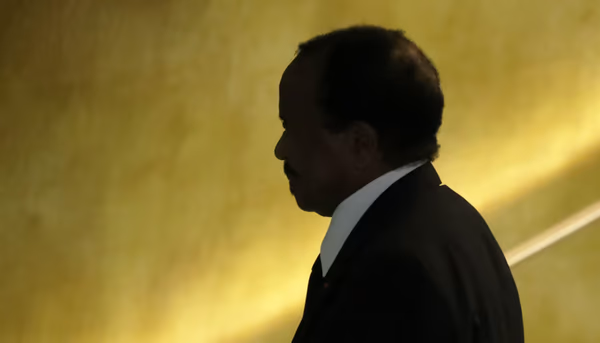
The government’s response to the health rumors, including the allegations against journalists, reveals deep insecurities within the Biya regime. Rather than managing public perception through transparency, the regime has chosen a path of repression and intimidation.
This strategy may backfire, as heavy-handed tactics often strengthen the resolve of dissidents and provoke further resistance.
Cameroon’s current political situation is at a crossroads. If the regime hopes to maintain stability, it must pivot toward openness—something it has so far resisted. Clear communication about the president’s health and an orderly transition plan would go a long way toward calming nerves, both domestically and in international markets. However, the longer the government clings to secrecy and repression, the more it risks sparking the very unrest it seeks to prevent.
For the media, this moment is a test of resilience. Independent journalism is critical in holding power accountable, and Cameroon’s press corps will need international solidarity to withstand government pressure. Human rights organizations and foreign governments should closely monitor the situation, urging the regime to respect freedom of the press and refrain from targeting journalists and activists.
Conclusion
The unfolding controversy around Paul Biya’s health is emblematic of a regime struggling to maintain control in the face of uncertainty. The accusations against journalists and whistleblowers are a troubling reminder of the lengths authoritarian governments will go to suppress inconvenient truths. Without greater transparency and a coherent plan for the future, Cameroon risks sliding further into political chaos. It is in the hands of both the government and the people to ensure that the coming months do not mark the beginning of a deeper national crisis.
- Details
- News Team
- Hits: 1575
