CPDM Senator Sparks Outrage with Hate Speech in Haut-Nkam
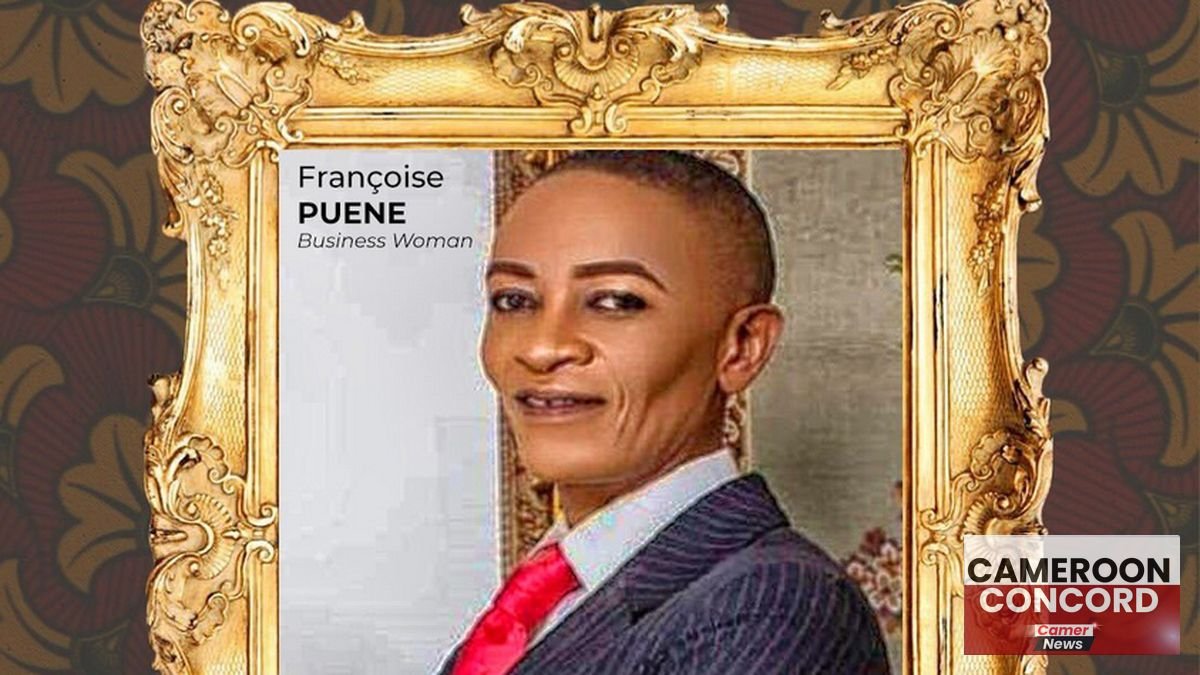
Cameroon’s fragile political climate has been rocked by incendiary remarks from CPDM senator Françoise Puene, who threatened to expel so-called “allogene” communities from Haut-Nkam if her party loses the upcoming presidential election.
A Dangerous Mix of Hate Speech and Electoral Politics
The Rassemblement Démocratique du Peuple Camerounais (RDPC/CPDM) has entered the 2025 presidential campaign season in turmoil after one of its senators, Françoise Puene—popularly known as “Mami Nyanga”—was caught on video delivering a statement that many describe as xenophobic and incendiary.
During a preparatory meeting in Haut-Nkam ahead of the October 12 presidential election, Puene warned that if the ruling party fails to win in areas inhabited by “allogene” populations—residents originally from outside the division—these communities would be “chased out.”
The remark, laced with threats of political retaliation and communal targeting, has ignited outrage across Cameroon. Critics say it is symptomatic of a regime that has normalized hateful rhetoric and weaponized division to secure votes.
“We Will Expel Them”
The leaked recording shows Puene declaring that failure to deliver victory for the CPDM in Haut-Nkam would trigger reprisals against allogene populations. Her words were blunt: outsiders would face expulsion.
This threat echoes a dark chapter in African politics where political elites incite communities against one another for electoral gain. That it comes from a senator—a figure meant to represent the whole nation—has only deepened shock.
Denial and Excuses
Under fire, Puene attempted to defend herself. She insisted that her words were taken out of context, claiming she was merely reporting sentiments from a local political report. But the explanation has failed to calm public outrage.
To many Cameroonians, her denial rings hollow, especially as the CPDM has long cultivated a culture of impunity for officials who fan division in defense of Biya’s decades-long grip on power.
Condemnation Across the Spectrum
Maurice Kamto of the Cameroon Renaissance Movement (MRC) condemned the remarks, calling them a “public incitement to communal hatred” and demanding that the CPDM and Paul Biya himself disown Puene’s words.
In his statement, Kamto insisted: “It is imperative for the CPDM candidate and for parliament to sanction such a violation of the principles of national unity. A senator cannot openly threaten fellow citizens with expulsion simply for exercising democratic choice.”
Civil society groups have joined the chorus, warning that in a fragile pre-election context, words like Puene’s can spark violence and worsen fractures in a country already torn apart by the Ambazonia conflict.
Ambazonia Activist Reaction
From exile, Ambazonia activist John Mbah Akuro linked Puene’s words to a broader strategy by Yaoundé: scapegoating displaced Anglophone populations if Biya performs poorly in Francophone strongholds. In a video reaction, he warned that such hate speech could translate into targeted attacks on already vulnerable displaced persons.
“They want to blame Southern Cameroons refugees for any Biya defeat,” Akuro said. “It might not stop at blame. Things could turn ugly.”
His statement highlights a growing fear: that incendiary rhetoric from ruling party elites is not merely careless talk, but a deliberate ploy to deflect accountability and mobilize fear-based voting.
CPDM Silence = Complicity
As of Tuesday morning, the CPDM hierarchy and Etoudi have remained silent, offering no condemnation. That silence is telling. In Cameroon’s political system, loyalty to Biya often trumps national unity or democratic ethics. By ignoring Puene’s rhetoric, the regime effectively signals tolerance for hate speech if it serves electoral ends.
This is the true scandal: that a senator can call for expulsions of fellow citizens and face no sanction. It exposes the depth of rot in Cameroon’s political order, where impunity is the privilege of those who serve Biya’s “eternal power.”
A Country on Edge
Cameroon’s social fabric is already fraying. The Anglophone conflict continues to rage, poverty deepens, and distrust of institutions is high. In such a volatile climate, statements like Puene’s are not just reckless—they are dangerous. They validate exclusion, embolden extremists, and normalize the politics of hate.
For a country that prides itself on “unity in diversity,” Puene’s words are a direct betrayal. They demonstrate how far the CPDM will go to cling to power, even at the expense of national cohesion.
- Details
- News Team
- Hits: 1834
