Biya Okays Creation of Common Law Bench at Supreme Court
After 54 years, Cameroon a bilingual country with British and French colonial heritage will now have a Common law Bench at the country's highest court. This follow the enactment into law a bill reforming the Supreme Court to allow the creation of the Supreme Court.
According to the law signed on July 12, officials appointed to the Common law Division must have an Anglo Saxon background. The Common law Bench shall have competence over issues relating to the Common law .
This was one of the biting issues raised by protesting Common law lawyers which sparked the Anglophone crisis. After giving a deaf ears to this demands, Government sluggishly swung into action. The Minister of state, Minister of Justice and Keeper of the Seals on March 30, 2017 announced the creation of the Bench amongst others measures.
Esso said at the time that , the measures are intended to improve on the functioning of the judiciary and also to satisfy the legal and judicial disposition of the constitution in section 1 paragraph 3 which stipulates that the official languages of Cameroon shall be English and French both languages having equal value.The Minister even claimed , that before the lawyers went public with their claims, the President of the Republic had initiated reforms regarding the functioning of the judicial system and had presided judicious measures.
A bill relating to this was sent to Parliament during the just ended session and was adopted, paving the way for Biya to sign the Ordinance creating the structure.
While some Common law practitioners have appreciated the move, Barrister Fru John Soh has rubbished the move saying it is too late. A fire brand critic, Ekinneh Agbor Ebai is worried about the clause "Anglophone Saxon background." This is what has raised concerning the issue: "But in the context where many Francophones are sending their children to Anglophone colleges, what does "Anglo-Saxon" legal background really mean? What happens if a Francophone attends SASSE College; graduates from UB and proceeds to the Common Law Department at ENAM where he graduates as a Magistrate and is subsequently appointed to the Common Law bench? Sounds like marginalization through the back door; or am I missing something here? And is it too little too late as the train seems to have already left the station?"
Common law lawyers continue to ground courts in the North West and South West regions in a crisis which has taken an unprecedented dimension with the Biya regime paying in hard currency for innitially downplaying the demands raised by the lawyers.
- Details
- Rita Akana
- Hits: 2910
Local News
- Details
- Society

Kribi II: Man Caught Allegedly Abusing Child
- News Team
- 14.Sep.2025
- Details
- Society

Back to School 2025/2026 – Spotlight on Bamenda & Nkambe
- News Team
- 08.Sep.2025
- Details
- Society

Cameroon 2025: From Kamto to Biya: Longue Longue’s political flip shocks supporters
- News Team
- 08.Sep.2025
- Details
- Society

Meiganga bus crash spotlights Cameroon’s road safety crisis
- News Team
- 05.Sep.2025
EditorialView all
- Details
- Editorial

When Power Forgets Its Limits: Reading Atanga Nji Through Ekinneh Agbaw-Ebai’s Lens
- News Team
- 17.Dec.2025
- Details
- Editorial
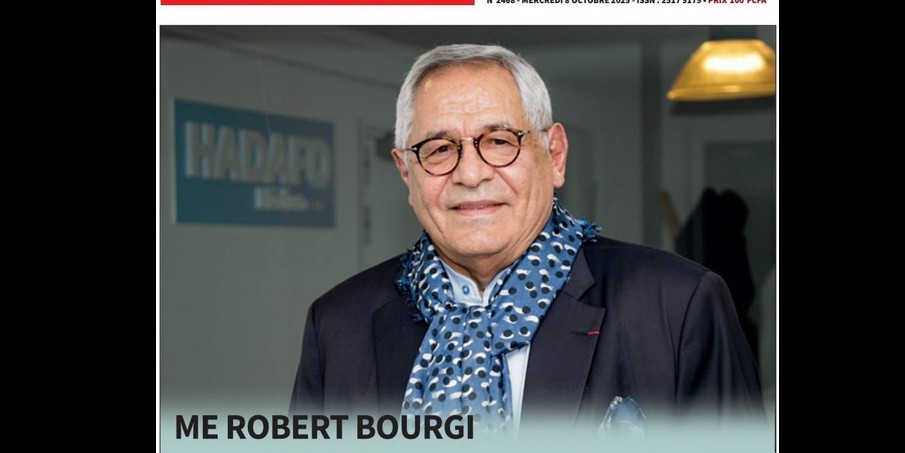
Robert Bourgi Turns on Paul Biya, Declares Him a Political Corpse
- News Team
- 10.Oct.2025
- Details
- Editorial
Heat in Maroua: What Biya’s Return Really Signals
- News Team
- 08.Oct.2025
- Details
- Editorial

Issa Tchiroma: Charles Mambo’s “Change Candidate” for Cameroon
- News Team
- 11.Sep.2025


