Cameroon: Youth minister bans use of "Anglophone regions"
The Minister of Youth and Civic Education has reiterated the ban on the use of "Anglophone regions" to designate the two English-speaking regions of Cameroon.
Instead, he recommends the
'better' expression "North-West Region and South-West Region".
The ban was issued to the top officials of the ministry on July 28.
In the order, Mounouna Foutsou noted that officials of his ministry continued to use the 'pejorative' expression in spite of instructions from the hierarchy.
He added that there was a prize for the strict respect of the order.
This is another desperate attempt by La Republique to curb the unrest in West Cameroon.
West Cameroon took to the street in November last year to denounce their marginalization by East Cameroon.
This move suggests that "Anglophone regions" is a discriminatory expression that makes the English-speaking part of the nation different from the French-speaking part.
"Anglophone regions" also gives West Cameroon the same status as the eight French-speaking regions of Cameroon.
But "North-West and South-West regions" reduces West Cameroon to the status of two simple administrative units, like every other region of the nation.
Even if the ministry were to respect the order, would it stop the name calling on the street?
Most English-speaking Cameroonians are still being identified as "Les Bamenda" by their French-speaking compatriots.
Discrimination cannot be controlled by ministerial orders.
We fight discrimination like this with concrete actions.
The president and his ministers ought to speak fluent English and French so that everyone can feel home.
When the president continues to address his people in French after more than several decades of 'unity' , what else can we expect?
He may say he 'spoke English' in Bamenda a couple of years back.
- Details
- Rita Akana
- Hits: 2942
Local News
- Details
- Society
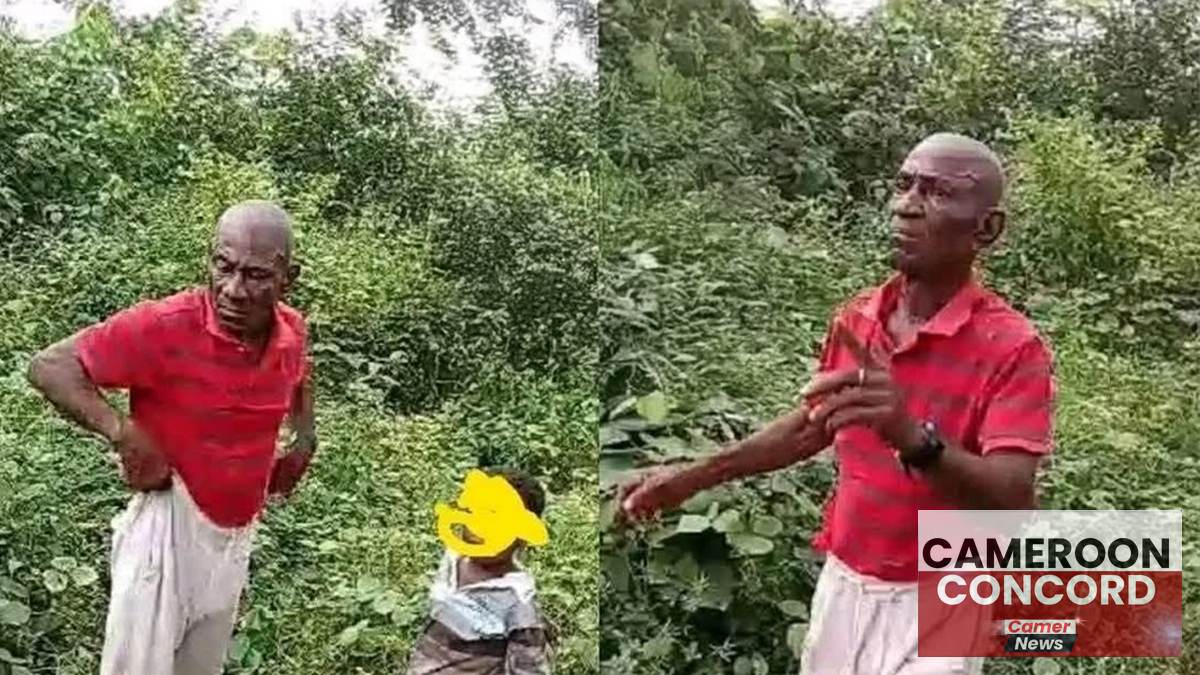
Kribi II: Man Caught Allegedly Abusing Child
- News Team
- 14.Sep.2025
- Details
- Society

Back to School 2025/2026 – Spotlight on Bamenda & Nkambe
- News Team
- 08.Sep.2025
- Details
- Society

Cameroon 2025: From Kamto to Biya: Longue Longue’s political flip shocks supporters
- News Team
- 08.Sep.2025
- Details
- Society

Meiganga bus crash spotlights Cameroon’s road safety crisis
- News Team
- 05.Sep.2025
EditorialView all
- Details
- Editorial
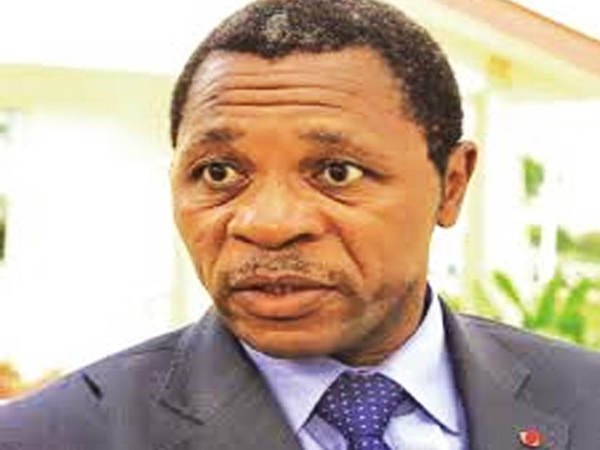
When Power Forgets Its Limits: Reading Atanga Nji Through Ekinneh Agbaw-Ebai’s Lens
- News Team
- 17.Dec.2025
- Details
- Editorial
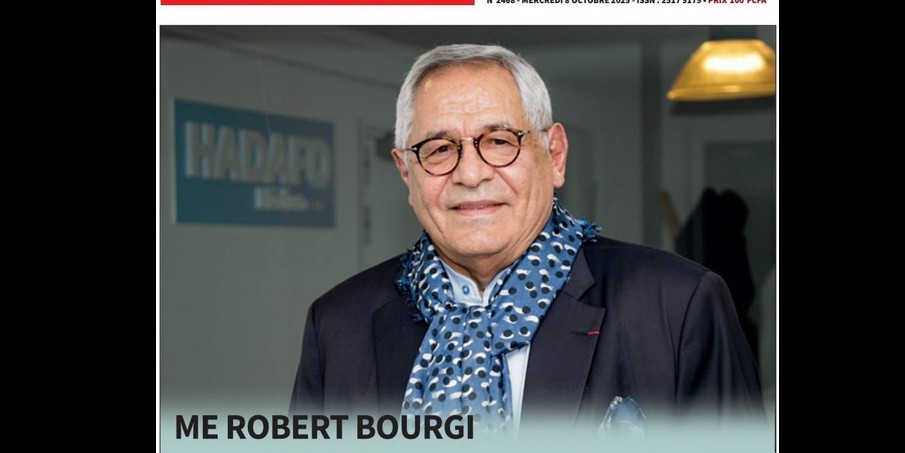
Robert Bourgi Turns on Paul Biya, Declares Him a Political Corpse
- News Team
- 10.Oct.2025
- Details
- Editorial
Heat in Maroua: What Biya’s Return Really Signals
- News Team
- 08.Oct.2025
- Details
- Editorial

Issa Tchiroma: Charles Mambo’s “Change Candidate” for Cameroon
- News Team
- 11.Sep.2025


