REPUBLIC OF CAMEROUN’S MOST CONCEALED SECRET
According to concealed documents in the Élysée and Unity Palaces, the independence day of Southern Cameroons is Friday 1st January 1960 and not 1st October 1961 as Southern Cameroonians know.
Although the ephemeral German Kamerun had been nothing but an illusion according to the League of Nations, French President General Charles De Gaulle felt that a sentimental return to the pre-war boundaries of the divided Kamerun would be a unique opportunity to add British Cameroons’ territory to French Cameroun which was already within the French sphere of influence. So the General conceived a disguised concept of Union des Populations du Cameroun’s Kamerun Idea and imposed on British Cameroons (Northern Cameroons and Southern Cameroons).
In recognition of the fact that Southern Cameroons was already a distinct territory within the international system - being prepared for self-determination as per Article 76(b) of the UN Charter, UPC initiated the Kamerun Idea, which advocated for the reunification of French Cameroun and British Cameroons – under the condition that both UN Trust Territories would preserve their newly inherited traditions, cultures and identities in a federation of two states equal in status.
According to the General’s disguised concept, French Cameroun because of it seize compared to British Cameroons considered itself the substitute for Kamerun, from which the British Cameroons had been torn by an accident of history.
Reunification was perceived in Paris and Yaoundé as a return to Cameroun part of what had been taken away from it. In that sense, reunification was only a one-way movement from the British Cameroons to the Republic of Cameroun, a sort of return from the Diaspora to the “fatherland.”
General De Gaulle and Ahidjo had to kill the entire UPC leadership to ensure that reunification does not become a union between two sovereign states as envisaged by the UPC, but rather, the attachment of a still dependent Southern Cameroons to an already independent Cameroun - that attachment being construed to signify independence for the former.
With the backing of France within the UN Trusteeship Council, Ahidjo meticulously centred French Cameroun independence celebration on 1, January 1960, as the legitimate independence of the replaced Kamerun.
At the grandstand in Yaoundé, Ahidjo was surrounded by members of his government, and on his right hand was John Ngu Foncha and a delegation representing Southern Cameroons. The two leaders witnessed one hundred and one gun shots, which marked the end of the French Trusteeship. At the end of his long speech, Secretary General Dag Hammarskjold said “on behalf of the United nations, I welcome the new Independent State of Cameroun.”On that day, French Cameroun was named Republic of Cameroun.
As envisaged by Paris, the thoroughly choreographed active symbolic participation of a strong Southern Cameroons delegation in Yaoundé on 1, January 1960 in the presence of high level international personalities from more than fifty countries, including the Secretary General of the United Nations, H.E Dag Hammarskjold, Messrs Jacquinot, personal Representative of General de Gaulle, Henry Gabot-Ledgo, U.S. Permanent Representative to the United Nations and personal Representative of President Eisenhower (not exclusively), was intended to convince the international community that French Cameroun independence also meant British Southern Cameroons independence, in other words the legitimate reunion of brothers and sisters that history had separated.
After dubiously ensnaring Foncha and the entire Southern Cameroons, Ahidjo moralized on the prodigious virtues of renewed brotherhood. Knowing well that Southern Cameroonians were bound by the Plebiscite of 11, February 1961 and limited in their competence to reverse that decision, Ahidjo engaged in a campaign of deceit, making solemn public assurances that reunification will be a mutual movement of the Republic of Cameroun and Southern Cameroons coming together from both sides, on an equal footing.
It was only natural therefore that the people of Southern Cameroons voted overwhelmingly for reunification based on Ahidjo’s lies and false hope. This explains why in Foumban Ahidjo never saw the need for a new constitution, but rather the constitution of French Cameroun was amended to accommodate Southern Cameroons. Furthermore, after reunification, Southern Cameroons had to use Cameroun’s flag, national anthem and currency.
It was in line with De Gaulle’s concealed master plan that 1, October 1961 was not Southern Cameroons independence day, but rather the Republic of Cameroun’s reunification day with Southern Cameroons. There were no international representatives from different countries as expected during independence celebrations, not even the UN was present in Buea. In fact the ceremony which took place in the middle of the night was the illegal transfer of the sovereignty of Southern Cameroons from Britain to the Republic of Cameroun, the replacement of one colonial master by another being construed to signify independence
It is worth mentioning that what De Gaulle and Ahidjo did was completely against the UN Charter. That is why when Northern Cameroons voted in the Plebiscite of 11 February 1961 not to join the Republic of Cameroun, but to continue with Nigeria Ahidjo challenged that decision at the International Court of Justice (ICJ) – claiming Northern Cameroons was an indivisible part of his territory. ICJ ruled in 1963 that Northern Cameroons (the Northern half of Southern Cameroons) was not and had never been part of the Republic of Cameroun.
Get full details in “The Unrefined History of Southern Cameroons”
Emmanuel Nebafuh
North West Fons Ambassador for Peace
Universal Peace Federation (UPF) - Peace Ambassador
African Parliamentary Alliance for UN Reforms - Permanent Representative, Geneva Switzerland
- Details
- Emmanuel Nebafuh
- Hits: 3380
Local News
- Details
- Society
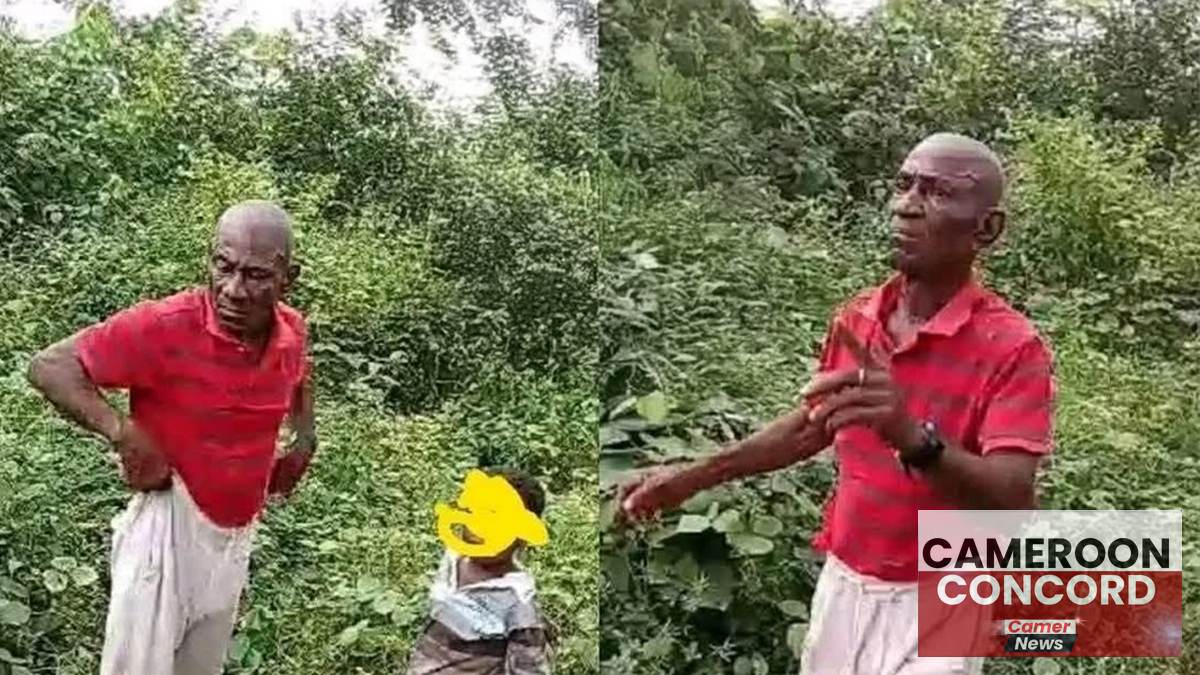
Kribi II: Man Caught Allegedly Abusing Child
- News Team
- 14.Sep.2025
- Details
- Society

Back to School 2025/2026 – Spotlight on Bamenda & Nkambe
- News Team
- 08.Sep.2025
- Details
- Society

Cameroon 2025: From Kamto to Biya: Longue Longue’s political flip shocks supporters
- News Team
- 08.Sep.2025
- Details
- Society

Meiganga bus crash spotlights Cameroon’s road safety crisis
- News Team
- 05.Sep.2025
EditorialView all
- Details
- Editorial
When Power Forgets Its Limits: Reading Atanga Nji Through Ekinneh Agbaw-Ebai’s Lens
- News Team
- 17.Dec.2025
- Details
- Editorial
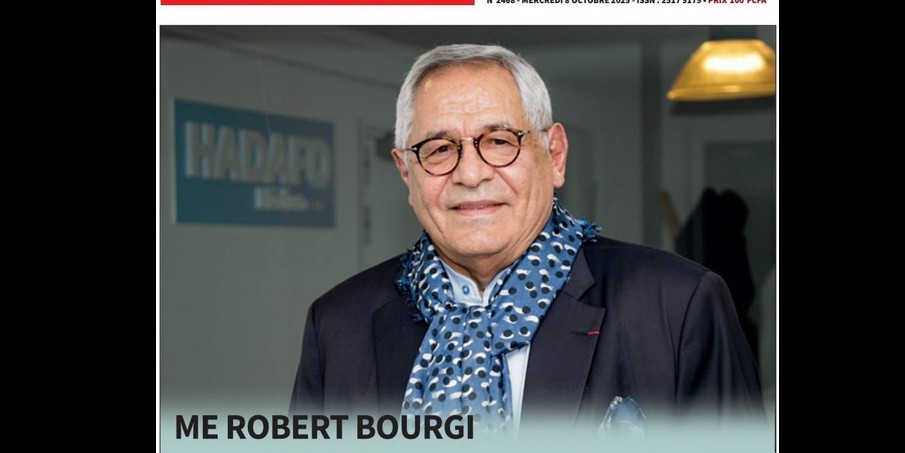
Robert Bourgi Turns on Paul Biya, Declares Him a Political Corpse
- News Team
- 10.Oct.2025
- Details
- Editorial
Heat in Maroua: What Biya’s Return Really Signals
- News Team
- 08.Oct.2025
- Details
- Editorial

Issa Tchiroma: Charles Mambo’s “Change Candidate” for Cameroon
- News Team
- 11.Sep.2025


