Totalitarian Dictatorship and Autocracy In Cameroon Undermines Separation of Powers
The case of Ayah Paul Ebine, supreme court judge arrested by the Biya regime has exposed the frailty of the political structure and to a broader extends, the separation of power between these structures in Cameroon.
A democratic government normally has 3 branches; the executive, legislative, and judiciary with each being totally independent.The purpose of the judicial branch is to interpret the Constitution and other laws. The judicial branch is independent from the executive and legislative branches in order to hold them in check.
In Cameroon, the executive branch of government has usurp all the powers, turning the judiciary and legislative to mere spectators taking orders from the authoritarian regime of the supreme Emperor who in this case is the 85 year old, ailing president Paul Biya. In a country where the ruling party has won all elections since multiparty was reinstated in 1990, democracy is practised only on paper. President Biya's democracy is a sham. He appoints hand-picked judges to the judiciary who are his stooges and will stop at nothing to satisfy him. The judiciary is not independent in Cameroon. In this fallacy, anyone who questions Biya is seen as an enemy of the state and civilians are regularly dragged to the Military courts. The case of Justice Chi Valantine, formally of the Manyu & Fako High Courts and currently Deputy Attorney General for the West Province, arrested following orders from the supreme executive president only proofs the weakness of the judiciary.
It is important to note that the legislative and judiciary are normally checks and balances vis a vis the executive. Once there is no balance of power, the executive becomes a monopolistic government totally disconnected from the realities facing the population. The legislative branch in Cameroon has been turned to hand clappers who represent their selfish interest rather than that of the citizens. The CPDM has reportedly rigged elections in Cameroon to gain majority in the Assembly and Senate, so as to easily implement its centralized policies. The result is a failed state where the constitution has constantly been violated by the president. All bills tabled by the government in Parliament are voted and promulgated into law regardless of their legality. This has led to a disparity between the government and the governed.
The crack down by the Biya regime on English speaking judges in Cameroon and a call by Southern Cameroonians in their majority for Parliamentarians to walk out of the Assembly in Yaoundé, is a refusal by the Anglophones to accept the bureaucratic nature of government. Reports say the government is in a deadlock. Francophone judges are beginning to question why justice Ayah Paul and others were arrested. What an embarrassment to a regime that is facing the toughest opposition to its policies in 35 years.
Cameroon needs an overhaul of its political system. The judiciary and legislative should be totally independent for good governance to prevail. Underdevelopment, corruption, favouritism, poverty, huge international debt are all a result of this poor bureaucratic system. While the government can quickly accuse English speaking Cameroonians of depriving their children of the basic right of education, and foster its claims of manipulation from those it term 'extremists', its of utmost importance to restructure the running of state affairs and only a return to federalism will address these ills. Not even the best political analyse can project the outcome of the Anglophone problem in Cameroon. Government should call for frank dialogue before its too late.
- Details
- Rita Akana
- Hits: 7948
Local News
- Details
- Society

Kribi II: Man Caught Allegedly Abusing Child
- News Team
- 14.Sep.2025
- Details
- Society

Back to School 2025/2026 – Spotlight on Bamenda & Nkambe
- News Team
- 08.Sep.2025
- Details
- Society

Cameroon 2025: From Kamto to Biya: Longue Longue’s political flip shocks supporters
- News Team
- 08.Sep.2025
- Details
- Society

Meiganga bus crash spotlights Cameroon’s road safety crisis
- News Team
- 05.Sep.2025
EditorialView all
- Details
- Editorial
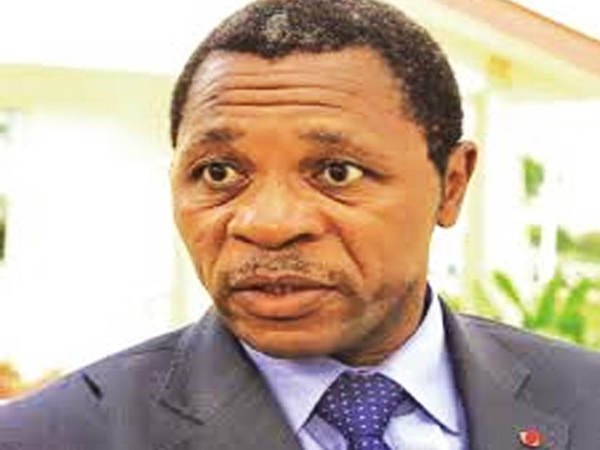
When Power Forgets Its Limits: Reading Atanga Nji Through Ekinneh Agbaw-Ebai’s Lens
- News Team
- 17.Dec.2025
- Details
- Editorial
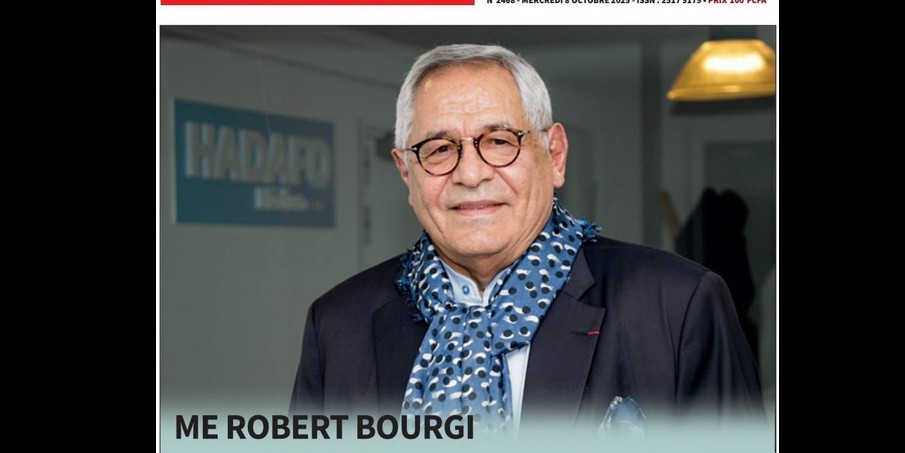
Robert Bourgi Turns on Paul Biya, Declares Him a Political Corpse
- News Team
- 10.Oct.2025
- Details
- Editorial
Heat in Maroua: What Biya’s Return Really Signals
- News Team
- 08.Oct.2025
- Details
- Editorial

Issa Tchiroma: Charles Mambo’s “Change Candidate” for Cameroon
- News Team
- 11.Sep.2025


